
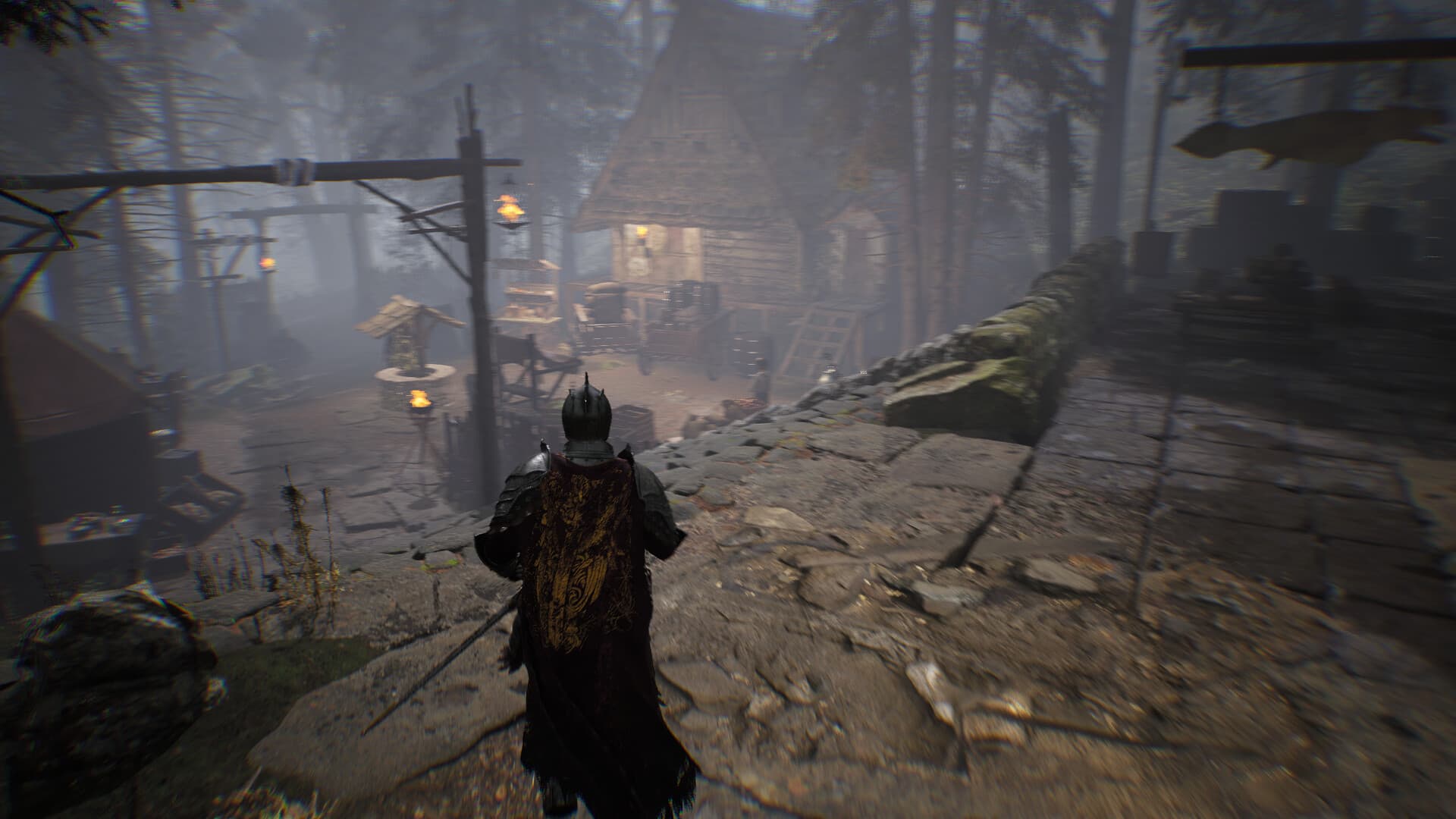
Mark what you know, what you only suspect and what remains unresolved. A conceptual diagram below is not a playable map.
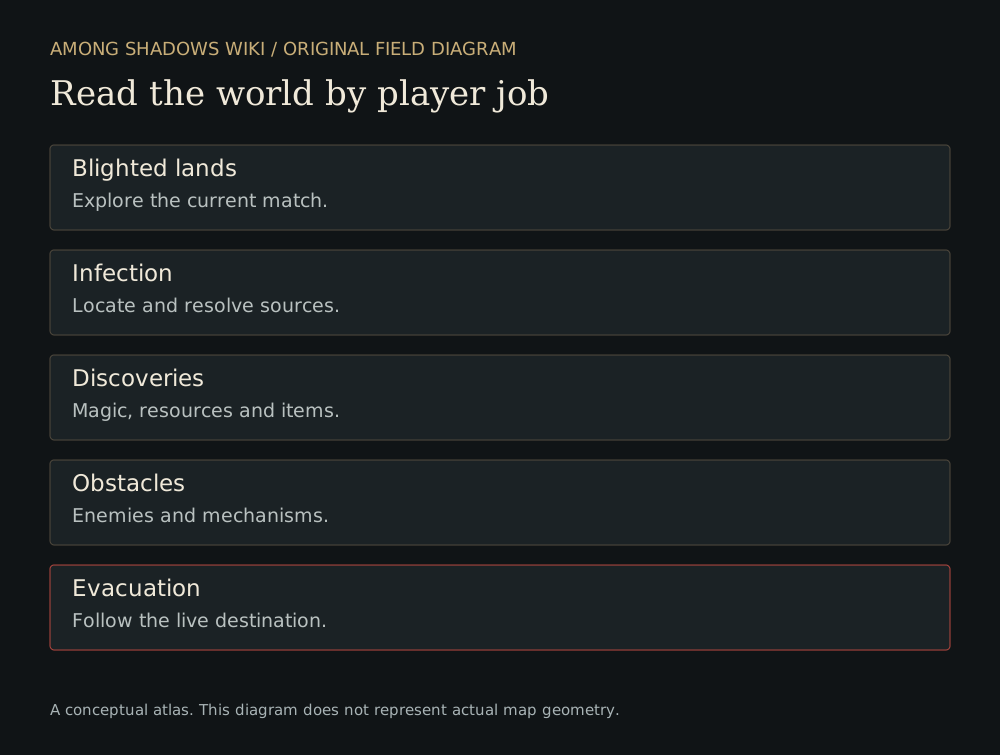
Read the world by player job
Explore the current match.
Locate and resolve sources.
Magic, resources and items.
Enemies and mechanisms.
Follow the live destination.
Look for the objective context
Record landmarks and the current objective wording when you identify a source. Do not treat the official well example as a universal waypoint or a guaranteed spawn.
Separate routes from discoveries
A route note explains how your team moved; a discovery note records what it found. Keeping them separate makes it easier to test whether a resource or Magic acquisition is repeatable.
Track mechanisms and hazards
A mechanism can affect progress or yield resources according to the store description. Record the observed interaction and result without guessing the puzzle solution or reward table.
Retain useful evacuation knowledge
During the Blood Moon, previously observed landmarks may help communication. Use the live objective to establish the destination. This pre-release atlas cannot supply a verified evacuation route.
Objective / Infection Tracker
Keep your own notes. Saved in this browser.
Leave these entries open.
These details need current first-party or live-build evidence before they become reliable advice.
- Map count and boundaries
- Coordinates and fixed spawn locations
- Evacuation paths and mechanisms
Confirmed by official sources
Source checked- Players seek and destroy sources of infection. A village well and a secret gathering are official examples, not fixed spawn coordinates. ↗
- The store names rotting undead, bandits, fanatics and wraiths as enemies in the blighted lands. ↗
- The official description includes mechanisms that players solve to obtain resources and items. ↗
- Magic must be found; most is learned through exploration of the world. ↗