
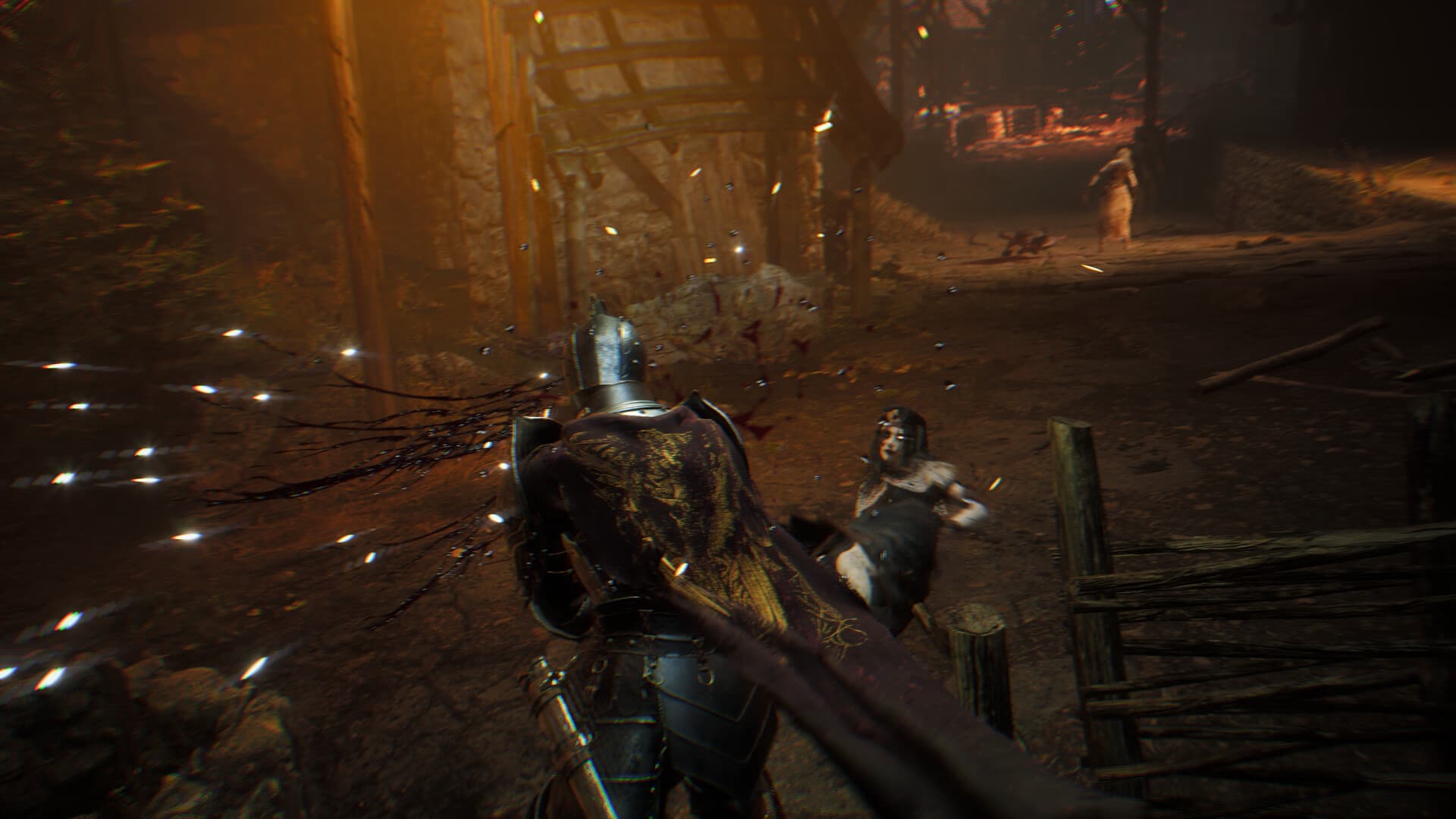
Keep a source marked unresolved until your group has observed the relevant in-game completion feedback.
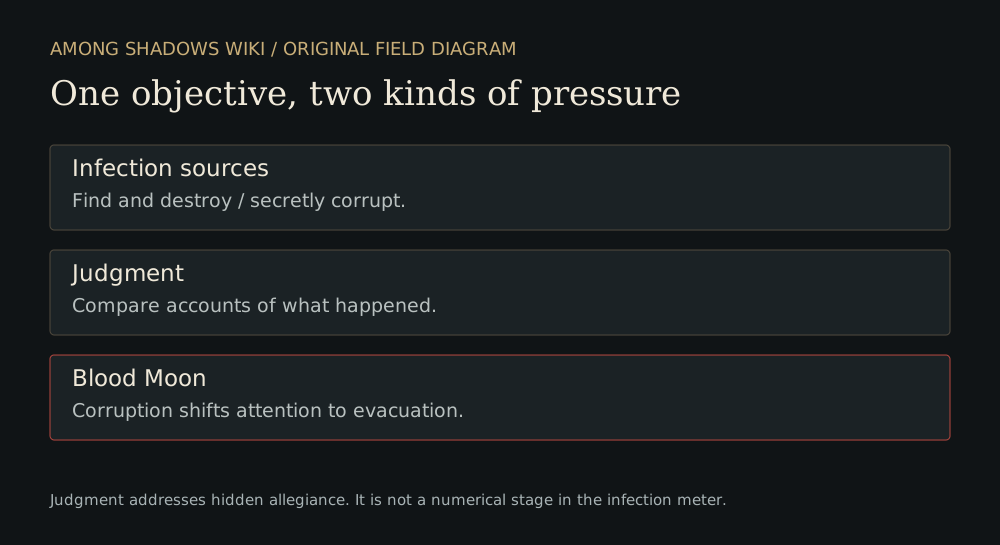
One objective, two kinds of pressure
Find and destroy / secretly corrupt.
Compare accounts of what happened.
Corruption shifts attention to evacuation.
Identify the objective
Distinguish a suspicious place from a confirmed infection source. In your notes, record what led you there and what the objective interface said. Avoid converting an environmental detail into a guaranteed mechanic.
Separate discovery from completion
Finding a source, reaching it and destroying it are different events. The objective tracker lets you keep a location note and change its status yourself. It has no connection to the game and cannot detect completion.
Record participation
Who was present, what was attempted and whether the state changed can matter in a later Judgment. A task taking longer than expected is a question to investigate, not a numerical suspicion rule.
Reassess route risk
Enemies and mechanisms complicate exploration. Discuss unfinished sources alongside your team’s current readiness. No verified timing model establishes when an extra objective is worth delaying another task.
Objective / Infection Tracker
Keep your own notes. Saved in this browser.
Leave these entries open.
These details need current first-party or live-build evidence before they become reliable advice.
- Spawn counts and coordinates
- Purification interaction and timing
- Infection thresholds or scoring
Confirmed by official sources
Source checked- Players seek and destroy sources of infection. A village well and a secret gathering are official examples, not fixed spawn coordinates. ↗
- The store names rotting undead, bandits, fanatics and wraiths as enemies in the blighted lands. ↗
- The official description includes mechanisms that players solve to obtain resources and items. ↗