
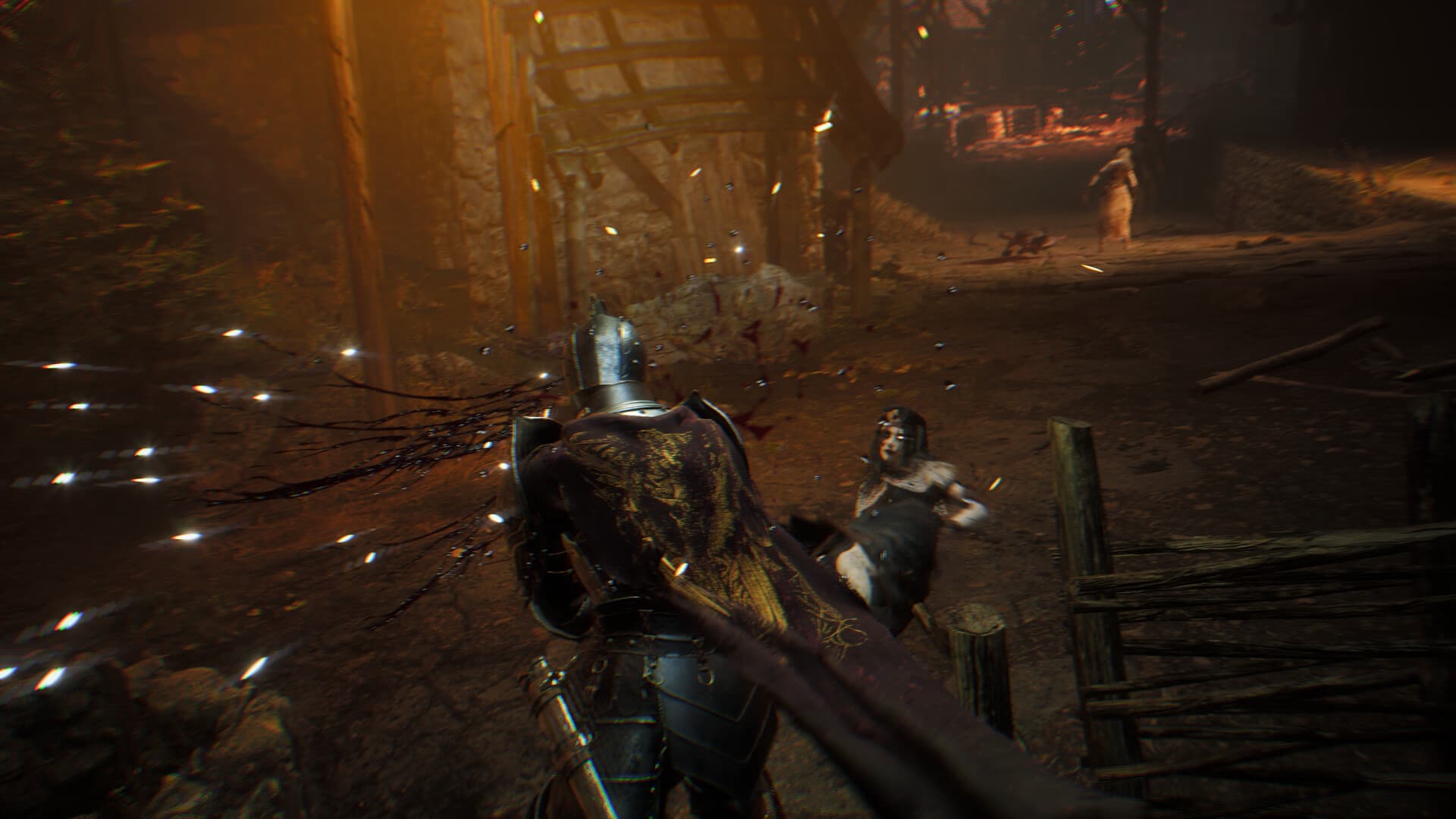
Understand the source and conditions of your available abilities before chasing an unverified build or damage ranking.
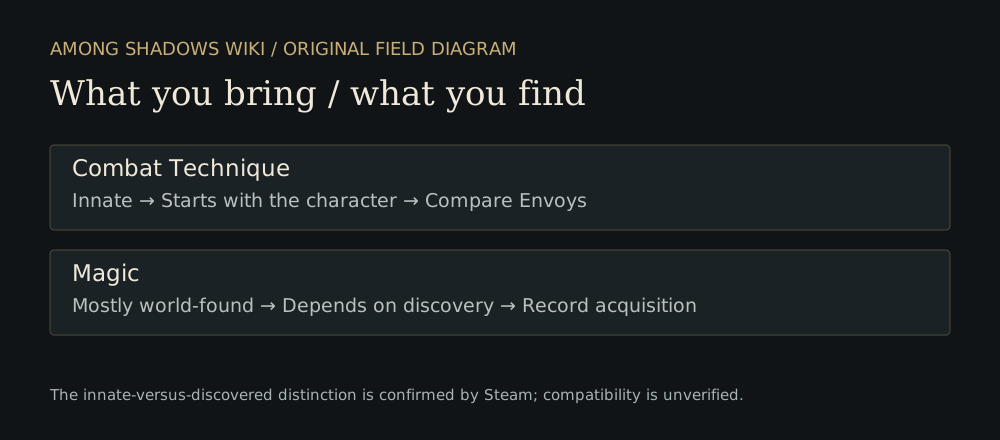
What you bring / what you find
Innate → Starts with the character → Compare Envoys
Mostly world-found → Depends on discovery → Record acquisition
Separate the parts of a loadout
Record the character’s innate Technique, any acquired Magic and the current weapon. That distinction helps explain what can be repeated in another match and what depended on discoveries.
Measure what the live build shows
When playable, record ability wording, costs and repeatable observations with a version. Avoid deriving exact damage, range or cooldowns from edited trailers.
Choose fights around the task
Enemies obstruct investigation and the convoy faces undead waves. Ask what a fight changes for the current objective. This is planning guidance, not a claim about aggro, escape or reward formulas.
Keep evidence alongside combat
A witnessed attack, an unexplained absence or a changed account may matter later. Keep factual notes separate from guesses so the information remains useful at Judgment.
Magic & Technique Tracker
Keep your own notes. Saved in this browser.
Leave these entries open.
These details need current first-party or live-build evidence before they become reliable advice.
- Parry/dodge rules and controls
- Damage formulas and stamina
- Weapon and spell values
Confirmed by official sources
Source checked- Asymmetric PvP combines social deduction with real-time action combat. ↗
- Combat Techniques are innate to characters. Envoys come from different cultures with their own Techniques or Magic. ↗
- Magic must be found; most is learned through exploration of the world. ↗
- Gathering materials, defeating enemies and solving mechanisms can yield resources and items for stronger weapons and Magic. ↗